


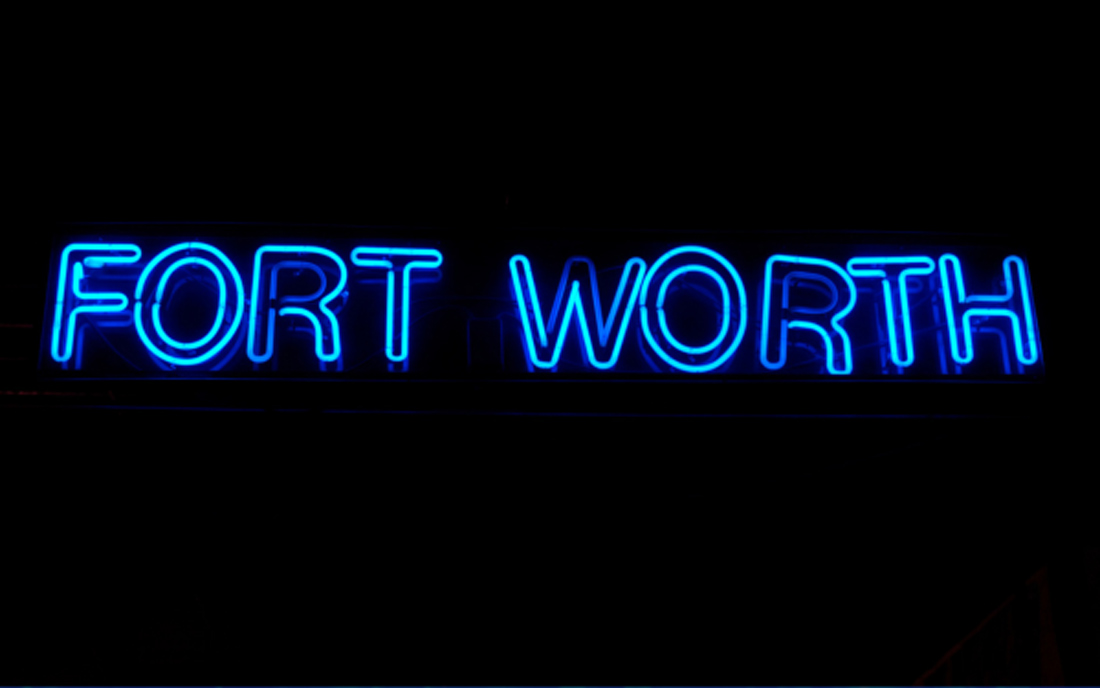
Walk through the West 7th corridor on a Saturday night and you’ll still find crowds, neon, and the occasional live set spilling out onto the sidewalk. But talk to enough Fort Worth regulars and a different picture starts to emerge. More and more people are choosing to stay in — scrolling, streaming, gaming, and socializing through screens rather than bar tabs and cover charges. The shift isn’t dramatic or sudden. It’s been creeping in quietly, weekend by weekend.
This isn’t a Fort Worth problem or a Texas anomaly. It’s a national cultural recalibration, and this city — for all its honky-tonk heritage — is fully caught up in it. The living room has become the default evening destination, and the numbers back that up.
Empty Barstools on a Saturday Night

Fort Worth’s population recently crossed one million residents, making it one of the fastest-growing large cities in the country. On paper, that should mean packed venues and booming nightlife. In practice, growth brings more competition for people’s attention — and digital platforms are winning a bigger slice of that fight every year. Bars and music venues still draw crowds for special occasions, themed events, and big sporting nights. But the default routine Friday or Saturday? Increasingly, that’s a couch situation.
The cultural math has shifted. Going out now means navigating parking costs, Uber surcharges, cover fees, and inflated cocktail prices — all adding up to a night that requires real financial commitment. When home entertainment offers genuine quality and immediate comfort, the calculation tips toward staying in more often than it used to.
Screens Are the New Social Hangout
Digital leisure has matured into something that genuinely competes with going out — not just as a cheap backup plan, but as a preferred choice.
The rise of streaming services, gaming platforms, and social apps shows just how diverse at-home entertainment has become for adults looking to unwind on a Friday night. The screen is also the only way for the citizens of Fort Worth and Texas in general to sneak peek at online gambling platforms. As iGaming isn’t regulated in Texas, recommended online casinos registered offshore offer Texans more flexible games and features.
The streaming numbers alone are striking, as well. According to Nielsen’s 2025 milestone report, streaming accounted for 44.8% of all U.S. TV viewership in May 2025 — surpassing the combined share of broadcast and cable for the first time ever. Nearly half of all TV watching now happens through streaming platforms, which means the sofa has serious entertainment infrastructure behind it. That’s not a trend on the horizon; it’s already the dominant reality.
Online Entertainment Fills the Gap
What’s replacing the bar crawl isn’t just passive TV watching — it’s a whole ecosystem of interactive, social, and on-demand experiences. People are hosting watch parties through group chats, competing in online games with friends across the city, and finding community through feeds and forums in ways that feel genuinely social without requiring a round of drinks. The format of “hanging out” has expanded well beyond physical proximity.
Generational attitudes are accelerating this shift. According to an Eventbrite report on Gen Z nightlife, 61% of Gen Z adults say they want to drink less to prioritize sleep and mental health — and the same report describes the rise of “soft clubbing,” a trend favoring earlier nights, low-alcohol or no-alcohol events, and hybrid social formats that blend in-person meetups with online communities. These aren’t people dropping out of social life. They’re redefining what a good night looks like.
Fort Worth Venues Adapt or Get Left Behind
Fort Worth’s bar and venue scene remains culturally vibrant — the Stockyards still delivers atmosphere, and new spots continue to open across Near Southside and Magnolia. But the competition for discretionary spending has never been fiercer. According to BLS data on Dallas-area spending, Dallas–Fort Worth households spent an average of $81,954 annually in 2023–24, with housing, food, and transportation consuming 64.2% of that budget. Entertainment is fighting for a relatively thin slice of what remains.
The venues that are holding ground are the ones treating each night as an event worth leaving the house for — live music, themed nights, watch parties, unique experiences that streaming simply can’t replicate. The old model of “just open the doors and they’ll come” is genuinely over. Fort Worth’s nightlife hasn’t died; it’s become more intentional, more curated, and — on plenty of ordinary weeknights — more digital than anyone in the Stockyards might care to admit.