

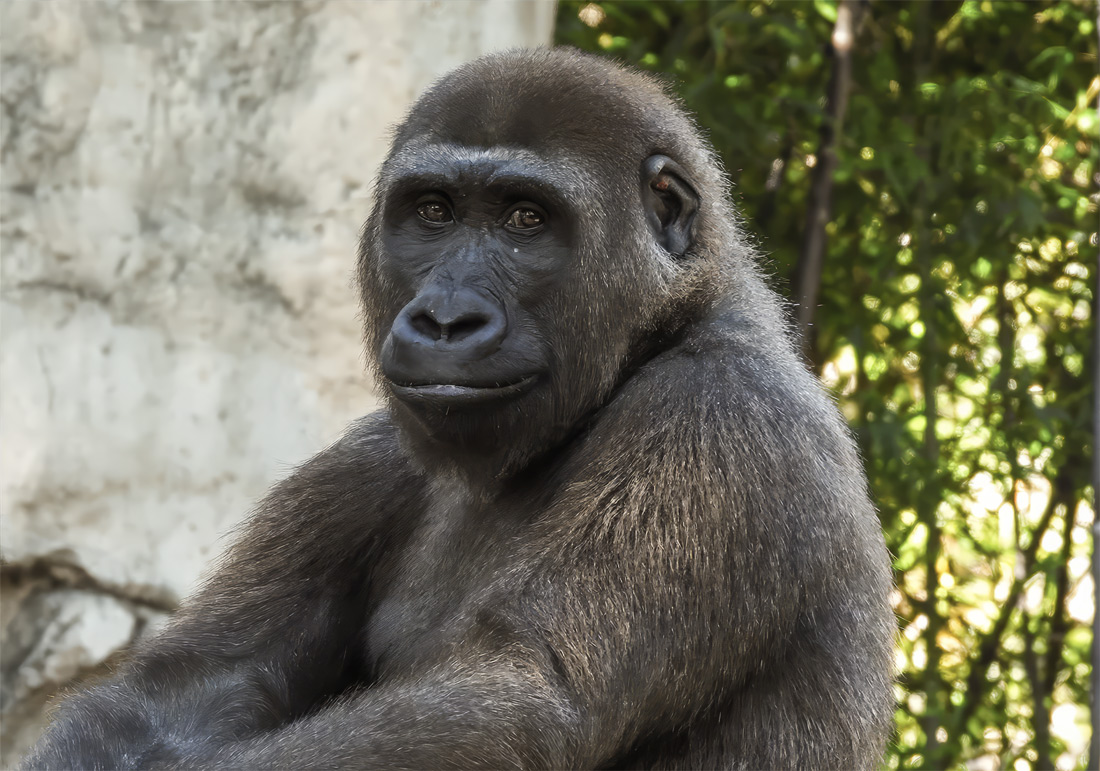
For weeks, the western lowland gorilla troop at the Fort Worth Zoo called out for Gus and Bukavu before finally accepting the rambunctious young males were gone.
The five remaining gorillas searched the outdoor and interior areas, expecting an answer to their hooting calls. Repeatedly, they gave the deep, abrupt sound that gorillas use to locate troop members.
Despite their calls, no answers came.

Without Gus, 10, and Bukavu, 8, the habitat was quiet. Their playful chest beating was gone, along with the dust that swirled through the air as they chased each other across the outdoor enclosure.
The two gorillas left simply because they were growing up and their place within the troop was beginning to change. That led to their relocation to the Saint Louis Zoo, a facility considered the best fit for their age and social needs. There, Gus and Bukavu will eventually join the zoo’s existing bachelor group.
“The boys’ presence was significant,” said Angie Holmes, the Fort Worth Zoo’s primary gorilla keeper. “They were rambunctious. They were with everybody, in everybody’s business, and to have that removed, it’s quiet. Things have calmed way down as far as the troop dynamic goes. For [the troop] to have that and then not have it is a big change.”
Their absence in Fort Worth affected some of the gorillas more than others.
Sekani, a female gorilla with a strong bond to Bukavu, her son, scoured the habitat trying to find him. Bruno, a 3-year-old gorilla, also called out for his former playmates, Holmes said.
“We had conversations about how we were going to best support [the troop] through it,” Holmes said, “and that was giving them the opportunity to be together as much as possible, so nobody felt isolated.”
The gorillas were also encouraged to inspect every area of their habitat so they could see that their companions were truly gone and not hiding somewhere.
Although the move may have seemed sudden to onlookers, plans had been set in motion years earlier.
The zoo works closely with the Association of Zoos and Aquariums’ Species Survival Plan, or SSP, which can shape breeding recommendations and animal placements years in advance.
“The AZA has thought about what this animal or possible baby’s life is going to look like five, 10, 15 years down the road,” Holmes said.
For gorillas, that can determine whether young males are genetically suited to lead family troops or live in bachelor groups. Years ago, it was determined both Bukavu and Gus would likely be placed in a bachelor group.
In their case, the move happened well before a potential standoff with Elmo, the troop’s long-standing silverback and patriarch. Scuffles and fights can occur when young males enter silverback status and challenge the current leader.
Holmes said keepers never saw behavior between Elmo and the younger males that caused concern. Although the troop’s longtime silverback sometimes grew tired of Gus and Bukavu’s antics, he continued playing and getting along with them until the end, she said.
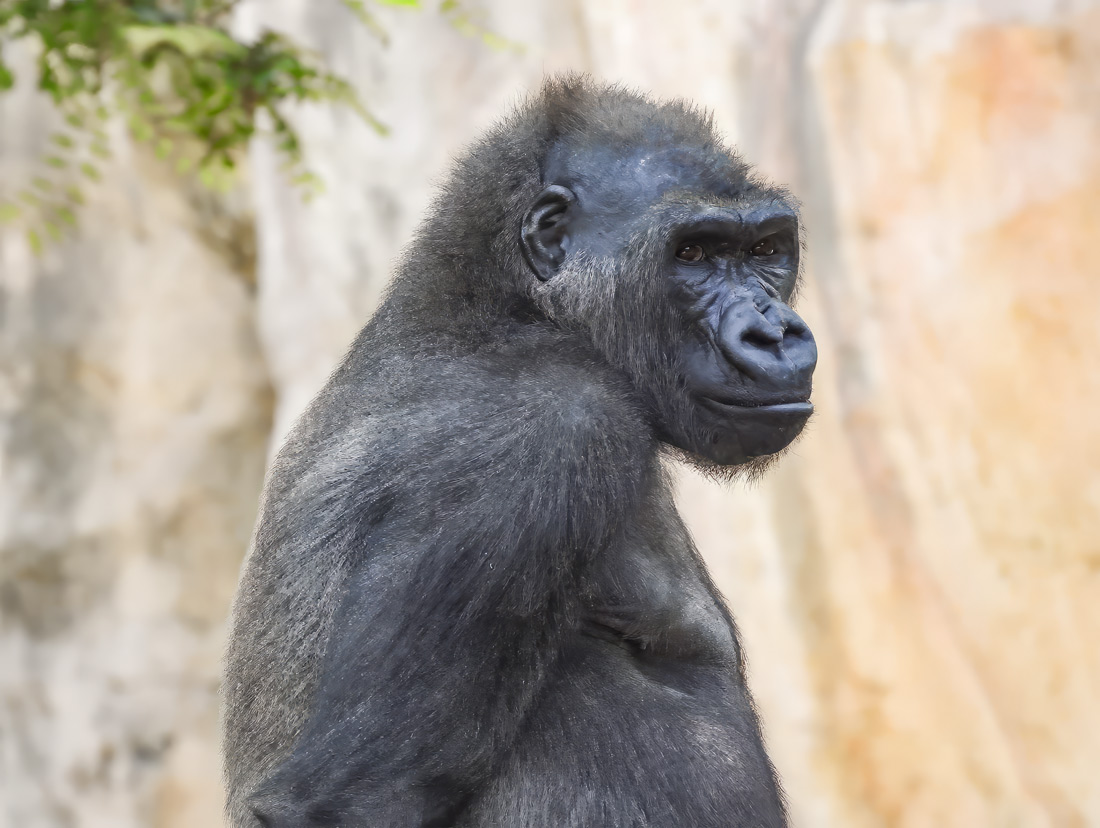
Photo by Teri Webster
“We were lucky to see that relationship stay intact,” Holmes said.
Maintaining relationships is a theme that has weaved throughout the process.
Prior to the move, keepers from Saint Louis visited the Fort Worth Zoo to introduce themselves to the gorillas so they would be somewhat familiar. During the move, keepers from Fort Worth who cared for Gus and Bukavu were alongside them on the road trip to Missouri to provide continuing care, familiar voices, and emotional reassurance across every mile.
Planning the move in early July required precise preparation, customized transport crates, and meticulous coordination between both zoos.
Upon arrival in Missouri, that cross-zoo partnership proved crucial for a smooth transition.
“Having the Fort Worth keepers here was invaluable,” said Helen Boostrom, curator of primates at the Saint Louis Zoo. “They know these boys best. Having [the Fort Worth keepers] on hand during the transition helped make everything as seamless and low-stress as possible for the gorillas.”
The bond that the two gorillas formed in Fort Worth is believed to be helping them transition to their new home.
“When they first stepped out into their new space, you could see them taking it all in — testing the climbing structures, exploring the shift doors, and just processing that this was their new home,” Boostrom said. “Gus and Bukavu have a fantastic bond. Having each other made a huge difference in how quickly they settled down. They really rely on that.”
The bachelor group arrangement aligns with what happens in nature. Younger male gorillas in the wild often form bachelor groups before they form or take over a troop with females and young.
“What we’re providing here in Saint Louis mimics that natural social evolution,” Boostrom said. “Introducing them into our existing bachelor group setup is a gradual, careful process. We let the animals dictate the pace based on their body language and social cues.”
Before Gus and Bukavu join the bachelor group full time, keepers are watching for signs of curiosity and proximity. That includes watching each other and poking each other through protective mesh. Displays of strength, including waving or dragging large branches, are also part of the introduction and male gorilla behavior.
“We are just thrilled to have them here,” Boostrom said. “They bring such fun, dynamic energy to our primate team and our visitors. Our goal is to give Gus and Bukavu the space, enrichment, and social structure they need to thrive as they grow into full-grown silverbacks.”
Back in Fort Worth, a calmer atmosphere has marked a new dynamic, yet signs of the impressions made by Gus and Bukavu still remain.
No longer watching from the sidelines, Bruno is doing things he saw Gus and Bukavu do, like splashing and spinning through the spray of a water hose on hot Texas days.
Another positive note is Sekani. She spent much of her time with Bukavu and is now interacting more with the troop’s other females.
“They’re very dynamic animals, and things can change,” Holmes said. “Relationships can change.”
In addition to the troop, the move was poignant for Holmes, who was there when Gus was born and became “the first human face he saw.” She said watching the young males leave is like sending a child off to college. There are mixed feelings of pride, loss, and a deep respect for their growth, she said.
The International Union for Conservation of Nature (IUCN) says western lowland gorillas in the wild are critically endangered. In managed care, not every male is automatically selected to breed. AZA Species Survival Plans guide breeding and transfers among zoos to help maintain healthy, genetically diverse animal populations.
Zoos also work directly with various conservation efforts in the wild.
Holmes, who has spent 18 years caring for primates, says uncertainty comes with the profession. That includes interpreting cues from animal behavior.
“You cannot assume that you know anything, no matter how long you’ve been doing this,” Holmes said. “When people ask me, ‘How is this going to go?,’ my first inclination is always, ‘I don’t know.’ Our job is to interpret their behavior the best way we can, but we can honestly never know.
“Species behaviors can be a mystery,” she continued. “For me, that’s one of the things that keeps it so interesting. A person can tell you what they like, but with them, you have to watch.”
The caregivers at both zoos said they will continue doing what they have always done: stand back, watch closely, and let the gorillas lead the way.
Gus and Bukavu, Holmes said, have “done a great job working things out. We’re pretty much the spectators, making sure they have what they need. They’re doing great on their own.”