




I have full-blown World Cup fever. Symptoms include binge-watching soccer for a solid month, following 20 different teams across the world to watch national team players, and harboring unrealistically high expectations for a mediocre team, to name a few. However, this year’s tournament’s symptoms also include dread, worry, embarrassment, and concern. This edition of the World Cup is not the only soccer tournament in history to have some issues, but this one feels like it has more unstable potential, like playing with a football made of uranium.
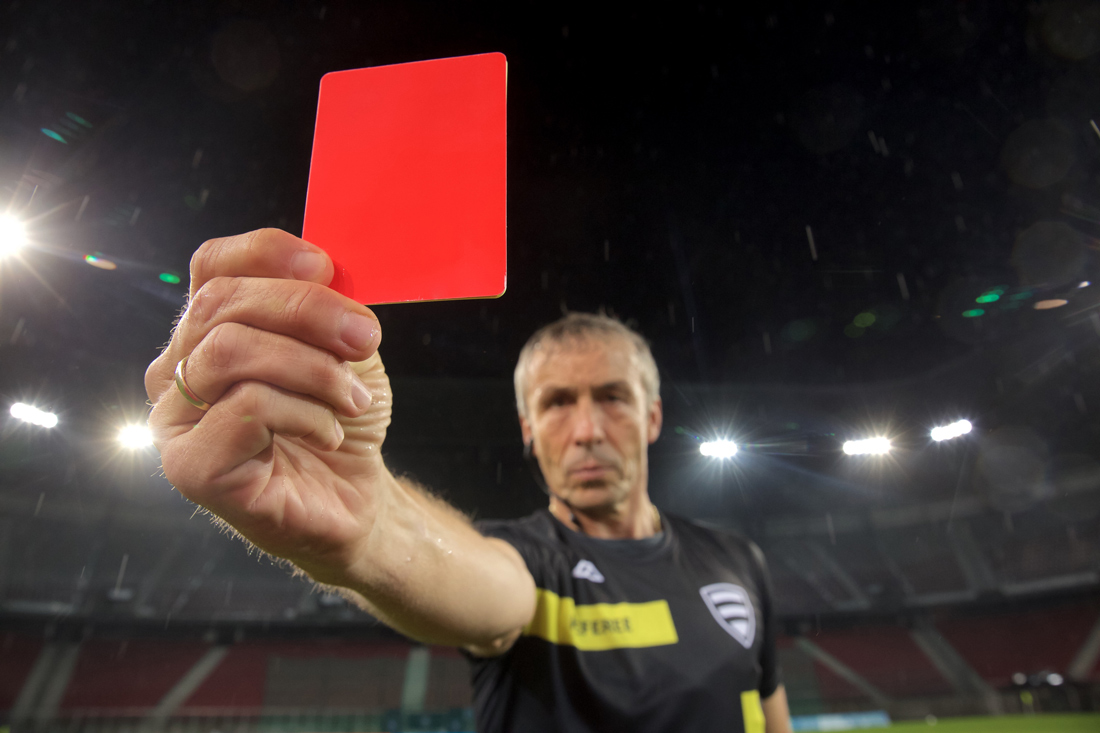
A reminder on football rules: A red card is administered for an egregious foul, resulting in the dismissal of the player. This player cannot be replaced by another player, and the team must complete the match a man down. A yellow card is administered for a hard foul or accumulation of fouls. Two yellow cards in a single match equal a red card, and that player is dismissed.
Previous World Cups have had issues, major issues that had an effect on the people, the tournament, and the World Cup legacy. FIFA itself has a long history of corruption, which only seems to become more fervent with each passing tournament. The 2018 and 2022 tournaments in Russia and Qatar respectively were awarded in questionable fashion, with suspicions rife with corruption. Qatar also built its stadium infrastructure on the backs of immigrant labor, full of poor conditions and worker deaths.

Brazil 2014 spent exorbitant amounts of money to prepare the stadiums for their tournament, while the poverty level of many of their citizens was extreme. Mexico 1986 was hosted there only after Colombia transferred hosting duties due to cartel violence. Argentina 1978 was hosted under a dictatorship rule with political pressure on players and referees. Chile 1962 was a tournament full of violence. The 1934 tournament in Italy was held under Mussolini’s fascist regime and was a major tool in his propaganda machine. The upcoming 2026 edition of the tournament may potentially have a sampling of each of these issues, if not a combination. Here are some of the potential yellow and red cards that the tournament might receive this summer.
Courtesy Rawpixel.com
Yellow Cards
Already a solid yellow card with the biggest chance to turn red, the exorbitant ticket prices for games and fan experiences are something almost everyone is aware of at this point. Price gouging, extortionate resale ticket prices, and parking and transportation fee hikes are just some of the hurdles fans face this summer. Group-stage tickets are averaging $500-600 for basic seats, and getting to the final could cost at least $10,000. Add on $100 parking fees and $15 beverages, and this quickly prices out the average soccer fan. This price point certainly becomes exclusive and excludes a large portion of fans. I think enough people will cough up this money to fill the stadiums, but it’s doubtful they will be avid soccer fans. This could result in a lackluster fan atmosphere in the stadiums and not deliver the game to true fans who have been waiting for years or even lifetimes to see their national teams play in this tournament.
Tickets aren’t the only example of the cash grab. Transportation in certain areas has been raised, parking fees increased, and even normally free fan zones are charging admission. For the local fan, taking a family to a single low-profile game could still cost several thousand dollars. The World Cup should bring enough revenue to the host cities without the abundant greed permeating throughout. Soccer is supposed to be for the people, not just the elite. The US Soccer Federation constantly focuses on growing the game and inspiring young athletes to play. If only rich kids get to be inspired by watching someone score a goal at the World Cup, the U.S. is never going to truly produce enough great talent to challenge at the international stage.
The revenue expected to be generated from the tournament is projected to break records from previous tournaments. There are some worrying signs for the potential boon local businesses will see. FIFA canceled many of their reservations of hotel blocks, which were reserved for the tournament. Fewer than expected hotel bookings, which, if it holds true, can lead to diminished revenues among restaurants, bars, transportation services, and retail locations preparing to host a flood of traveling footy fans.
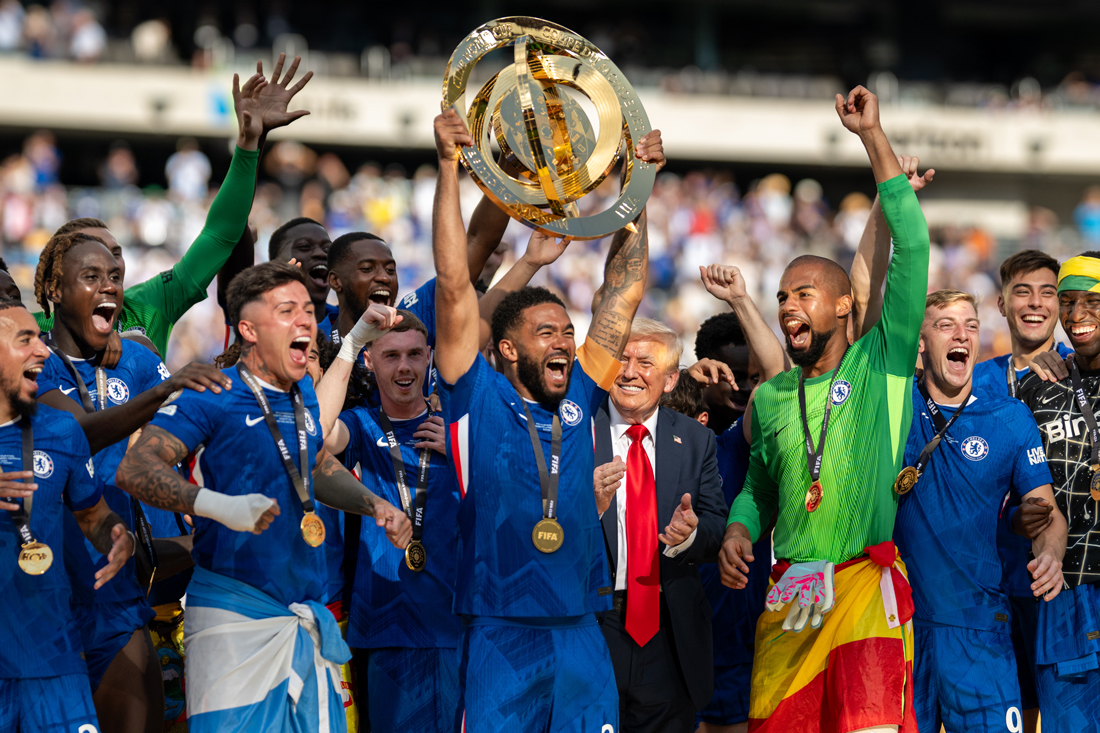
In the summer of 2025, the USA hosted the Club World Cup, an international soccer tournament with club teams from around the world. When Chelsea won, Trump and Infantino presented the trophy to the team after their victory. Not knowing how to have anything not be about himself, Trump proceeded to stay with the team during their own team celebrations. Even the king of corruption, FIFA president Gianni Infantino, knew how to let the team celebrate on their own. We’ll just have to wait anxiously for what sort of misguided and ignorant selfish comments, AI images, or podium crashes Trump will make.
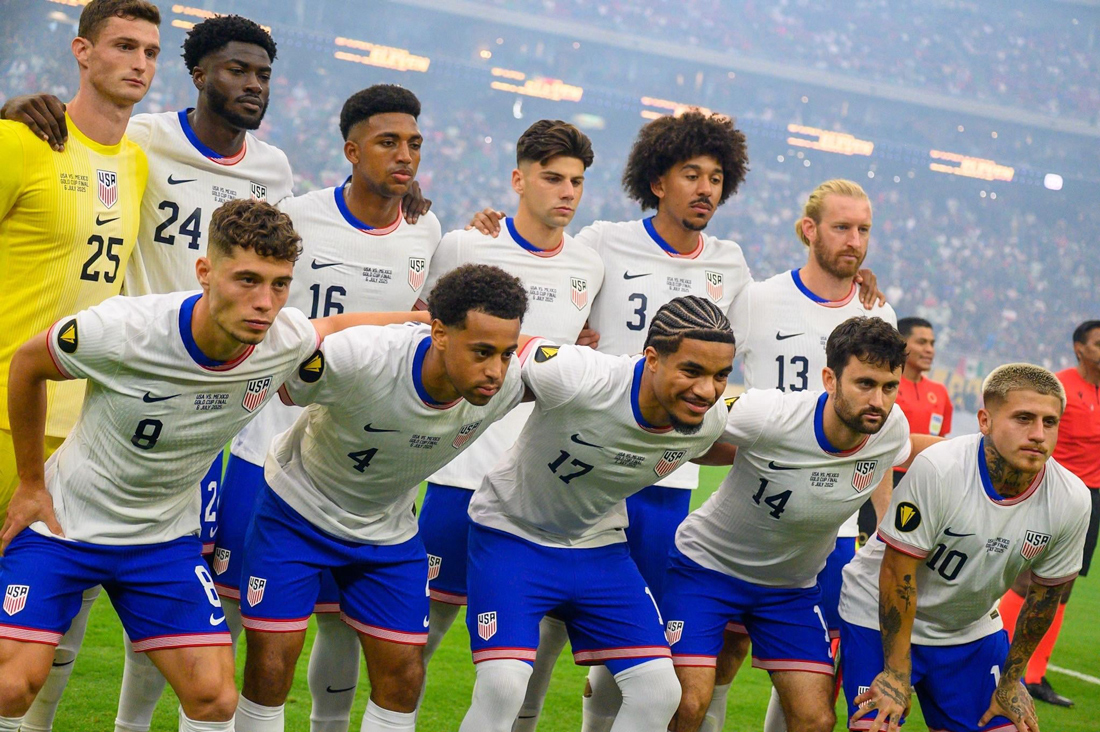
As far as the on-field issues, I hope for a fantastic tournament. There are several World Cup debutants with the expanded 48-team format. The talent pool of superstars highlighting their skills will be massive. The USMNT has more players plying their trade at high-level clubs than any previous generation. However, the last few years have been a rollercoaster of performances. The USMNT absolutely crumbled in the 2024 Copa America, and the results since then have been lacking. They have had some positive results but also enough results to raise concerns. The team has enough talent to produce a deep run this summer but also enough question marks to have an early exit. I would not be surprised if this year’s squad makes the quarterfinals or gets knocked out in the group stage.
A poor performance from the national team on home soil would set the soccer program back significantly. This sport only gets national attention every four years, and if the boys don’t show out, the casual fan will become even more negative very quickly. The momentum generated from the 1994 tournament and fan interest spawned Major League Soccer and inspired an entire generation of kids to go kick a ball. Losing a new generation of future superstars would be a massive setback to soccer in the United States.
Water breaks will be a required part of every single World Cup game this summer. While this is a healthy step forward for many of the games that will be taking place in 100-degree weather, it seems rather unnecessary at indoor air-conditioned stadiums such as “Dallas Stadium” (AT&T Stadium). This decision was more likely another cash grab, and this creates a perfect commercial break midway through each game. Soccer is a flowing game built on momentum. Inserting a break significantly disrupts the flow. There are no timeouts in soccer, but now coaches will be able to implement strategy changes during the commercial/water breaks. The sport has undergone many changes throughout its long history, but this feels catered more to extra advertising dollars and short American attention spans.
This World Cup final will also feature a halftime show for the first time since the first World Cup final in 1930. As I predicted, Shakira has written a very catchy World Cup song (“Dai Dai”) and will perform with Madonna and BTS at the halftime show during the final. Everyone expected this World Cup to be “Americanized” somewhat, but this show also alters the on-field product. Typically, halftime is a 15-minute break that allows for player rest, tactical shifts, and motivational talks with the coaches. With the halftime show now, that break will be a minimum of 30 minutes. For players who need to stay warm and focused, this creates a disconnect in the game. Muscles can go cold, and focus can shift, possibly altering the outcome.
Courtesy Creative Commons
Red Cards
An immediate straight red card involves banning fans from supporting their nation at the biggest stage. The international component of the tournament is a huge reason why the World Cup is the most successful and popular tournament on the planet. However, the current administration has created more division than unity, leaving several fan groups looking from the outside in. Fans from Iran, Haiti, Senegal, and the Ivory Coast are all banned from traveling to the USA to support their national teams. While these respective nations might have some internal and international issues, lumping their fans into one giant group of undesirables leaves many well-intentioned fans in the cold.
Even if your nation hasn’t been outright banned from traveling to show support, many potential areas of disruption still exist. With ICE creating a shitstorm in the USA over the last year, it would behoove any world travelers to make sure to have their paperwork in order. Comedian Ron Funches sums it up very well by reminding travelers to “Please bring your papers!” In addition, there is a louder portion of our nation that is less accepting of foreigners. The same people raising prices and hosting World Cup special events are also screaming at those who “don’t speak ’Murican.” I sincerely hope that all fans traveling to this summer’s tournament return safely to the country from where they traveled.
Travel has already been proving an issue for many World Cup fans, since the current administration has placed 39 countries on a travel ban. This is already affecting participants in the tournament, not just fans. An assistant coach and other staff from South Africa were not allowed to travel to the United States due to visa issues. Iraqi footballer Aymen Hussein was detained at Chicago’s O’Hare airport for seven hours and questioned before being allowed to join his teammates. Hosting the world’s biggest event but implementing massive restrictions and hurdles doesn’t really promote peace and unity.
Iran qualified for the World Cup by playing gritty football with passion and skill through a very long and arduous qualifying campaign. These professional athletes dedicated their lives to have the chance to represent their nation at the world’s greatest athletic stage. The war in Iran with the U.S. and also the wider conflict in the Middle East have drawn politics into football once again. Sports and, more specifically, soccer have unfortunately always been intertwined with politics and national agendas. However, this will be the first time a nation currently at war with a host nation is expected to play in the host nation’s tournament. Through a back-and-forth quibble between Trump and Infantino on whether Iran would actually be able to participate in this tournament, Iran’s football team has been allowed to participate at this point in time. Changing venues, teams, and team camps at this late stage would be far too costly both financially and logistically. As a result of this conflict, Mexico has stepped up and agreed to host Iran’s training camp at this summer’s tournament. Their games will still take place in the United States, with the first two group-stage games at SoFi Stadium in Inglewood, California, and the last group-stage game at Lumen Field in Seattle, Washington.
Hard Fouls (No Card)
Perhaps one of my biggest pet peeves is the mispronunciation of names by professional sportscasters. With 48 nations participating in this tournament, there will surely be plenty of butchering of players’ names on-air. If your one job is to say words, I would think you might research on how to actually pronounce those words. Failure to do so is disrespectful to the player, the nation, and their people. Let’s hope for a minimal display of ignorance with pronunciation.
Europeans complaining about the heat. Make sure the team trainer picks up some extra sunscreen. Sorry, England. Texas is hot. Deal with it. It will not be the reason it’s not coming home in 2026.
Transportation will be a bigger hurdle than most visitors will be prepared for. For instance, the games hosted and marketed at “Dallas Stadium” will not be in Dallas. Many visiting fans won’t be prepared for the lack of public transportation, high Uber fees, and dangerous five-lane freeways. Even with the progress of trains and buses in DFW, many fans will be expecting to be able to walk from their hotel in Dallas to the stadium in Arlington, then walk to a steakhouse in Fort Worth after the game. Good luck with that.
My World Cup fever will have to just run its course this summer, and the best cure will be goals, smiling fans, and a peaceful celebration of the greatest sporting event on the planet. With any luck, my potential string of negative symptoms will not include hate, xenophobia, and ignorance.
I hope any cards given out this summer are strictly for on-field incidents and not for the tournament itself.







Great piece!