


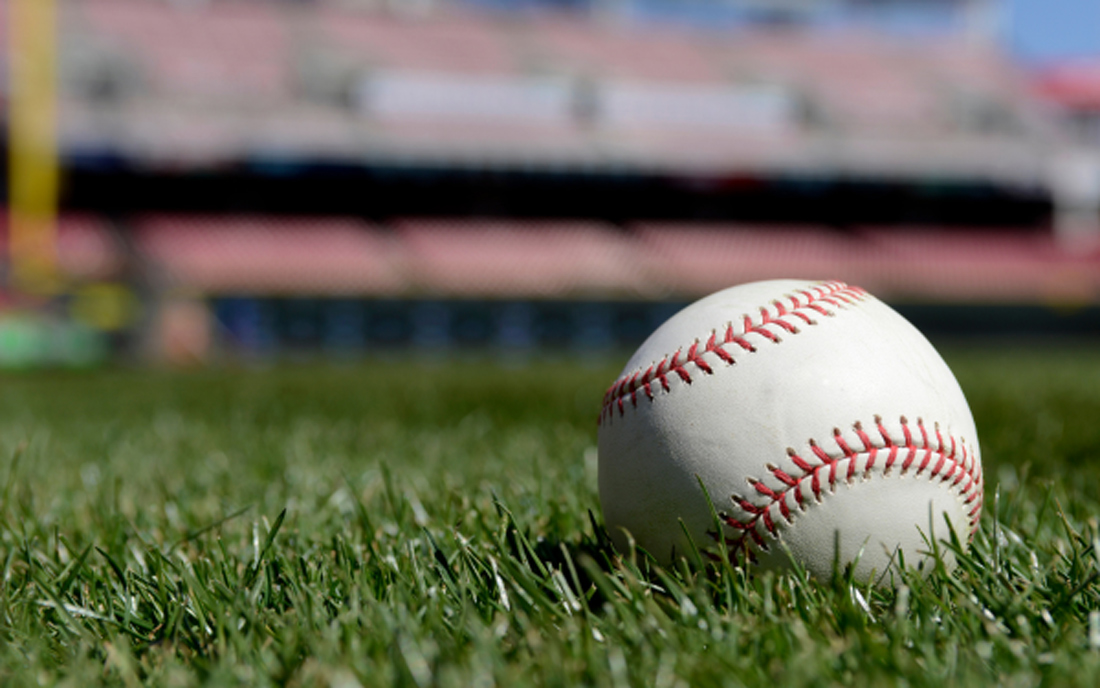
The Texas Rangers’ very own Globe Life Field is the newest stadium in MLB, having opened in 2020. Fans who remember the old Globe Life Park will have fond memories of days at the ballpark, and likely less fond ones of the oppressive Arlington summer heat.
Globe Life Park was notorious for being one of the hottest ballparks in MLB, while the new Globe Life Field has 10,000 tons of air conditioning capacity, helping keep the indoor temperature around 70 degrees even as it hits 100 outside. The retractable roof, which is the largest in the world, is opened for games on occasion, but mostly the Rangers play fully indoors. It’s a cool, calm, controlled climate, perfect for baseball.
On the road, however, it’s a different story. Baseball has over 83% of teams playing fully outside, or in a stadium where the roof is open by default. This makes it the most outdoors sport among the majors, with the NFL only having 68.75% of stadiums open-air.

This means that when the Rangers travel, weather again becomes a big factor. Whether you’re backing the action, have Rangers players in your DFS lineup, or are simply trying to predict the game for fun, the climate once again comes into play.
At RotoGrinders, the DFS authority for picks, advice and strategy, MLB weather is always taken into consideration. If you’re doing your own research on top, these are the weather conditions you need to take into account.
Wind, Heat and Sun All Play a Part
One of the biggest, and easiest, weather conditions to check before the Rangers play outside is the wind. If it’s blowing out from behind home plate then it’ll help balls carry further, leading to more runs and home runs being scored. If it’s blowing in from the outfield, then balls tend to get stuck in the air and are easy pickings. Any wind above 10mph is definitely worth taking into account.
The ambient temperature can also have a strong effect on scoring. At home, the Rangers play in a controlled climate. On the road, and especially in spring and fall, it’s good to check the ballpark forecast. A ball hit at 55 degrees will travel about 10 feet fewer than one hit at 80 degrees. This can make the difference between clearing the fence and dropping neatly to an outfielder.
The sun also has a greater effect on outdoor games. Batting averages go up slightly on cloudy days as batters find it easier to track the ball, while in bright sunshine the pitchers get the advantage. If an afternoon or evening game is going to start in the sun, then fall to more controlled lighting, it can be best to avoid the late innings relief pitchers.
Moisture one of the Biggest Difference Makers
Moisture is never a factor at a stadium like Globe Life Field. Playing outside, though, it can make all the difference. A wet baseball becomes heavy, which throws off a pitcher’s spin. If play gets underway after rain with the outfield grass still wet, it’s best to avoid putting any pitchers in your lineup.
Humidity too can massively affect how the ball behaves. Humid air is much less dense than dry air, helping balls carry further. Coupled with heat, this creates a set of conditions that gives batters the edge. Just a 15% increase in humidity can help a ball travel 13 feet further, aiding it in getting into the stands.
A less tangible effect on games comes from rain delays. These can play havoc with pitching lineups, as starters either aren’t able to return, or they head back to the mound cold and out of sorts. This in turn can force managers to deplete their bullpen as they seek out another hot arm.
If there are rain delays, it’s a good idea to check how each side’s pitchers were deployed. If one used most of their depth, it’ll badly affect them in the following game, and can hand an advantage to batters in the late innings.