



Zest Magazine
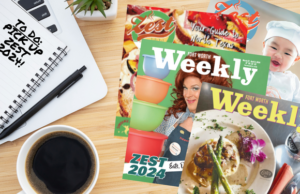
Welcome to Zest 2024
It’s time for our annual deep dive into our local culinary scene, and why not now? With patio season upon us and all the...

Latest from NEWS
Texas Forgetting
So, I’m sitting in a Port Lavaca hotel room on a weekday evening, thinking about winding down. It’s been a long drive from Fort...
Hope and Joy
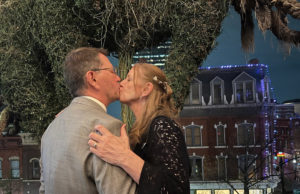
My daddy always swore it was true, and, I guess, a 14-year-old boy would notice such things.
When Montgomery, Alabama, finally got word of Japan’s...



Latest from ARTS
Room to Breathe
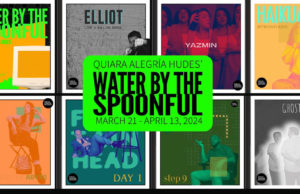
While lecturing to her students about John Coltrane’s seminal 1965 album A Love Supreme, Yazmin Ortiz, a 29-year-old Puerta Rican adjunct professor of music,...

Flowers ’n’ Sh*t
Dominique Ransom knew she had a cute shop. After all, she had designed Lilac Tattoo Studio with the “divine feminine” in mind. Her bright,...



Latest from EATS & DRINKS
Dream Big
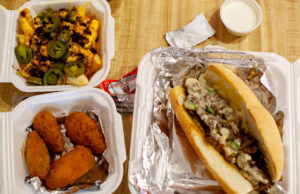
For many months whenever I drove east on Allen Avenue toward I-35, a mural has called to me. “Dream Big, Think Burgers N Beyond”...
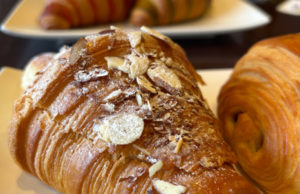
Not-So-Petite “Patissery”
Patissery, 425 W 3rd St, FW. 214-888-8031. 8am-7pm Mon, Wed-Sat; 8am-4pm Tue.
“Two and a half weeks. We were waiting to get more attractive people behind...
Latest from SCREEN
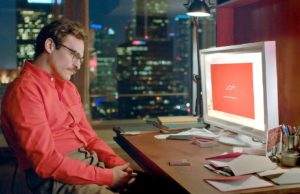
The Most Overlooked Movies of All Time*
* according to me and 838 other film critics
Right, so here’s how it all went down. In 2022, Sight & Sound magazine ran its...
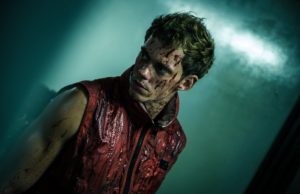
Boy Kills World: Don’t Speak
It’s not often that a fictional character sums up the premise of his movie better than I could, but that’s what happens in Boy...

Latest from MUSIC
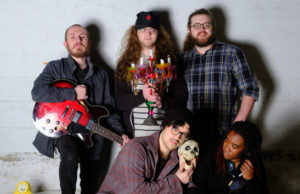
Good Eggs
Black Market Garden’s debut album is here, and it’s certainly different.
Whereas the indie-rock band’s COVID-era single and 2021 EP were both poppy, The Good...
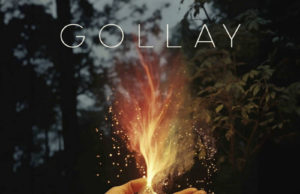
An Olive Grove
As a songwriter, progressive advocate, and human being living in the United States of America in the year 2024 CE, one of the main...




Latest from STUFF
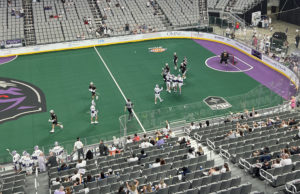
Sports Rush: Playoff Buzz Includes Fort Worth
North Texas has a serious playoff buzz on right now.
The Dallas Stars won the NHL’s Central Division and will most likely rank first in...
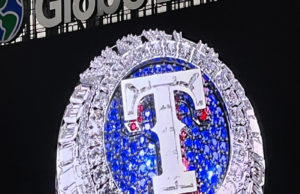
Ringing in the Champs
“Your World Series champion Texas Rangers” has a certain ring to it — one adorned with diamonds and a little Rangers history.
The local team recently...


Latest from Hittin' the Fort


Holidays
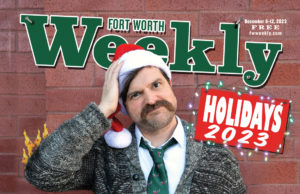
Holidays 2023
We get it. Not everyone digs the holidays. I kinda don’t. The biggest reason is probably that my family buried our 63-year-young father on...


Best Of
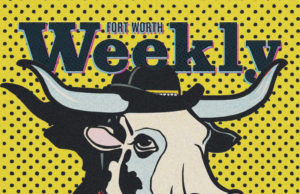
Best Of 2023
Welcome to Best of 2023
Thank you, dear readers, for picking up or surfing to our 27th annual Best Of issue. We hope you find it...


Summer Edition
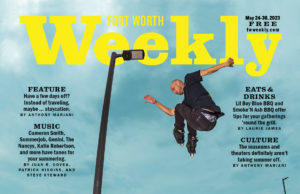
Welcome to the Summer Edition 2023
It’s summer, so make sure to keep the thermostats at a crisp, cool 78 degrees to prevent our grid from collapsing — again. Thank you....
Blotch Blogs

Essentials of Video Poker Games That Beginners Should Know
Online video poker is one of the virtual casino games where the player's decisions have a real impact on the outcome of the game....
THC Drinks Stir Up the Fort Worth Scene
The market for beverages infused with THC (the active ingredient in cannabis) is rapidly gaining popularity in many states, including Texas. Major liquor stores...

Critter Corner // Have a Pet-and-Earth Friendly April
Promotional Feature
Guest contributor Shawna Gibson from SHAW'S Paws Pet Services (@FetchPetSit, 817-296-1769) has been caring for their own (and other people's) furkids for more...




On the Calendar
N&D 4.24.24 // Thin Line Festival & More!
The annual Thin Line Festival this weekend in Denton includes documentaries, music, and photography, but I’m most excited about the movies screening completely free and...

Big Ticket // Fort Worth Art Fair
The third annual Fort Worth Art Fair was created to honor the city’s rich artistic legacy and celebrate all things local, including art, cuisine, and...
ATE DAY8 of Green and Blue
If last week’s eclipse got you thinking about Mother Earth, your mind is in the right place. Every April, people worldwide celebrate Earth Day as...

N&D 4.10.24 // Sensory Explorations, Open Streets & Blue Angels
Thursday, April 11, 2024
At 5pm, the Amon Carter Museum of American Art (3501 Camp Bowie Blvd, Fort Worth, 817-738-1933) hosts an evening of cocktails, conversations,...